Best Diet Tips Collection
Free, Friendly Dieting Tips to Help You Reach Your Goals (Without Losing Your Mind)
My best friend would warn you: “Don’t get her started on diet tips.” Too late now — the keyboard is officially warming up.
Anyone who has ever tried to lose weight knows this truth: it’s not the lack of information that trips us up, it’s consistency. You can know exactly what to eat and still find yourself standing in front of the fridge at 9pm wondering how that happened.
Healthy weight loss is rarely about perfection. It’s about being informed (knowing what you’re eating), being active, and being patient (no, the scale does not need to be checked every two hours).
This page brings together practical, realistic diet tips — some obvious, some a little quirky — that are designed to help you stay on track in real life. No extremes. No punishment. Just steady progress you can actually maintain.
1. Start With Realistic Weight Loss Goals
Let’s start here, because this is where many people quietly sabotage themselves.
If you aim to lose 20 pounds in two months, chances are you’ll feel discouraged long before your body has a chance to respond — and frustration is one of the fastest routes off any healthy eating plan.
A more sustainable approach is to aim for 5–10% of your body weight over time. Slower weight loss tends to stay off longer and places far less stress on your body.
When your goals feel achievable, something important happens:
- You feel more in control
- You notice progress sooner
- You’re far more likely to keep going
And yes — celebrate the small wins. Every healthy choice counts.
2. Eat Regularly (Yes, Really)
Skipping meals may sound like a shortcut, but it often backfires.
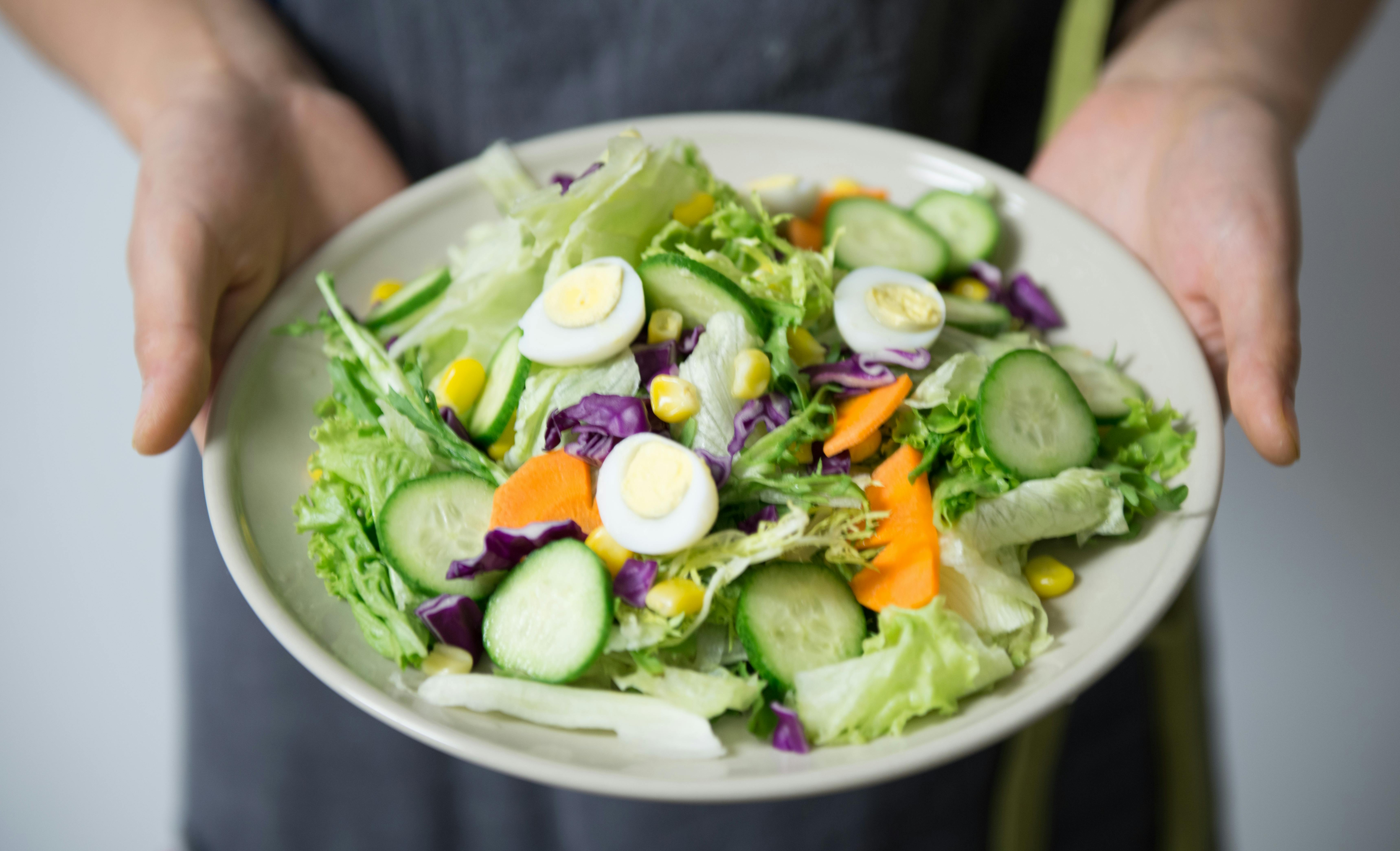
Eating small, nutritious meals at regular intervals helps:
- Stabilise blood sugar levels
- Reduce intense cravings
- Make it easier to recognise true hunger versus boredom eating
A nourishing breakfast, in particular, is consistently linked with better appetite control later in the day.
Think of food as fuel, not something to avoid.
3. Coping With Food Cravings (Without White-Knuckling It)
If you suddenly cut out all your usual treats, your body will notice — and it will protest.
When cravings hit:
- Acknowledge them (fighting them mentally often makes them louder)
- Delay and distract — cravings usually pass if you give them time
- Choose low‑glycemic foods to help keep blood sugar steady
Cravings are temporary. Riding them out builds confidence, and confidence makes the next one easier.

4. Out‑of‑the‑Box Diet Tips (Worth Trying)
Not every tip works for every person — but these can be surprisingly effective:
- “Eat like a king for breakfast, a prince for lunch, and a pauper for dinner.” Front‑loading your calories can reduce evening overeating.
- Use your non‑dominant hand. It slows you down and increases awareness of portions.
- Eat smaller, more frequent meals. This can help curb hunger spikes for some people.
- Take one bite of everything, and two bites of what you truly enjoy. Satisfaction matters — deprivation rarely works long‑term.
5. Treat Yourself (Yes, This Is a Diet Tip)
Motivation matters. If you’re goal‑oriented, give yourself non‑food rewards for consistency.
Ideas include:
- A new outfit
- A haircut or spa treatment
- A massage or manicure
- Something fun you’ve been putting off to celebrate small achievements.
Healthy habits stick better when they’re associated with positive reinforcement.

6. Get Moving — Gently and Consistently
Exercise always sneaks into diet discussions — and for good reason.
You don’t need intense workouts to see benefits. Regular movement helps:
- Support weight loss
- Improve mood and energy
- Reduce stress‑related eating
Even a brisk daily walk can make a meaningful difference. Fresh air, movement, and a change of scenery are powerful appetite regulators.

7. Get Comfortable in the Kitchen
Cooking at home gives you full control over ingredients and portions.
Benefits include:
- Fewer hidden sugars and fats
- Easier calorie awareness
- More flexibility with substitutions
If cooking feels intimidating, start simple. A few reliable meals you enjoy are far more valuable than an entire shelf of unused cookbooks.
8. Drink Enough (Hint: It’s Probably More Than You Think)
Sorry, we don’t mean wine (although it does have some health benefits)!
Hydration plays a surprisingly big role in appetite regulation.
Aim for at least 6–8 glasses of water daily, more if you’re active or live in a warm climate. A good guide: light‑coloured urine usually indicates adequate hydration.
When snack urges strike, try drinking water first — thirst is often mistaken for hunger.
Adding green tea to your daily routine can enhance your results — learn how in our complete green tea weight loss guide.
If you want to explore this further, have a look at how drinking enough water can naturally support weight loss — it’s one of the simplest habits with the biggest ripple effect.

9. Small, Unusual Tips That Add Up Over Time
- Keep a simple food journal — awareness alone often changes habits
- Use a smaller plate for main meals
- Try eggs or any lean protein option for breakfast to support fullness
- Opt for open sandwiches to reduce excess calories
- Chew slowly — digestion starts in the mouth
- Brush your teeth when cravings hit — it can interrupt the urge for foods you're trying to limit.
- There are some herbal supplements and essential oils that have been used to assist with appetite control. These are worth researching. You can read more about them here.
Instead of focusing on an ideal body image, try visualising how you want to feel: lighter, more energetic, clearer‑headed, more comfortable in your own skin.
A Final Thought on Diet Tips
There are countless fad diets promising fast results, but many lead straight back to where you started.
Lasting weight loss comes from realistic choices, steady habits, and self‑compassion. When you support your body instead of fighting it, change becomes far more sustainable — and far more enjoyable.
Healthy in mind, body, and soul.
If you want tips on natural wellness, you can get them straight to your inbox.
Enter your email below and I’ll share new articles, reflections, and practical insights as they’re published.
Side Thoughts
Thanks for visiting here. If you'd like to stay in touch with our regular updates, then we'd love you to subscribe to our Detox-For-Life Newsletter.
We are a participant in the Amazon Services LLC Associates Program, an affiliate advertising program designed to provide a means for us to earn fees by linking to Amazon.com and affiliated sites.
NEWSLETTER
New pages, fresh perspectives, and practical detox-for-life insights are shared first with newsletter readers.


