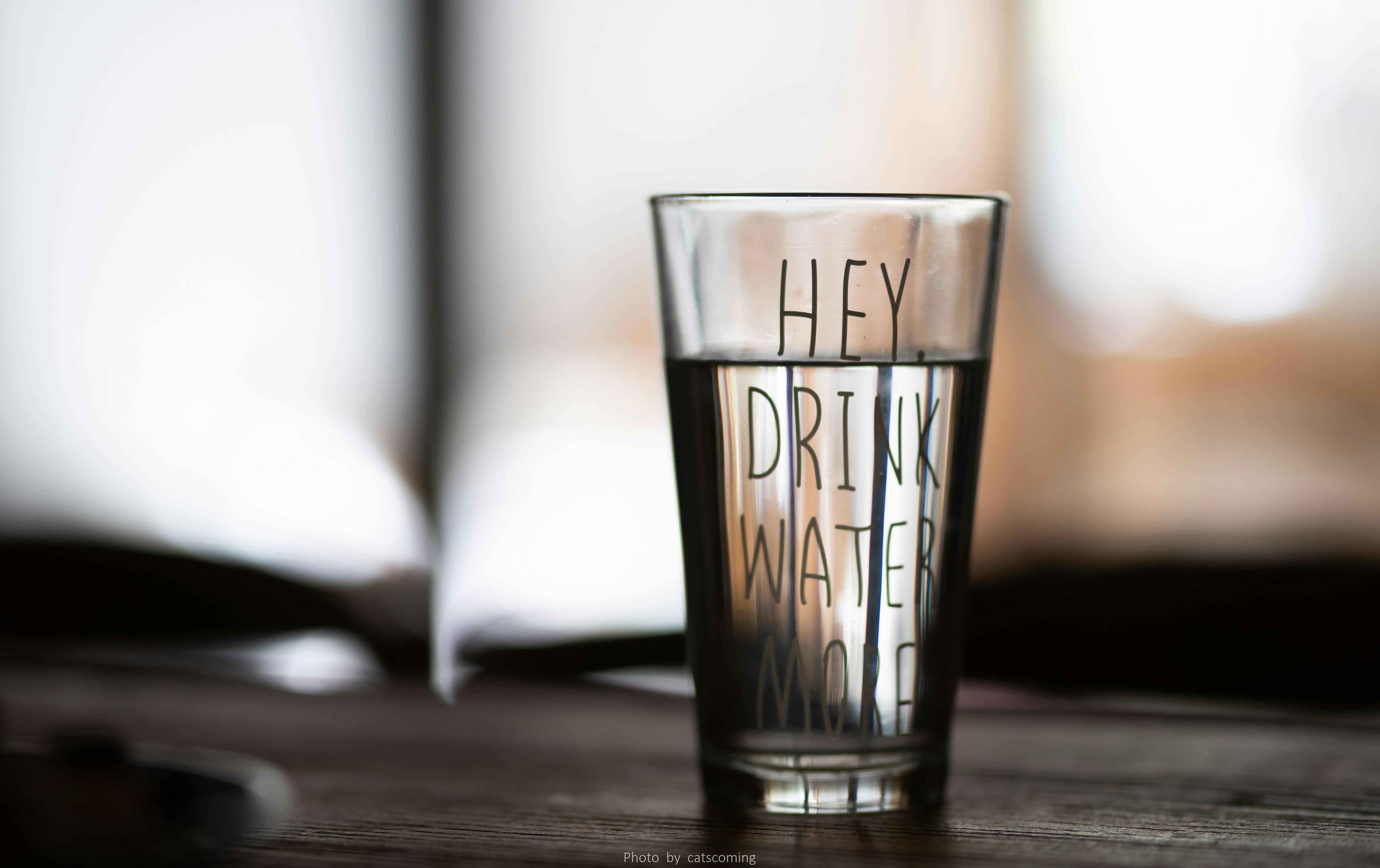
Drink Water - Lose Weight
Is There Truth In The Claim - Drinking Water Helps Weight Loss?
This “drink water to lose weight” mantra has long been doing the rounds.
You’ve probably heard the advice before: “Drink more water and the weight will come off.”
But how true is that really?
If you’re already trying to eat reasonably well and stay active, it can feel frustrating when weight still clings on. So where does water fit into the picture? Can something as simple as drinking more water genuinely support weight loss — or is it just another wellness myth?
The truth is a little more nuanced (and far more interesting). While water isn’t a magic solution, it plays a surprisingly powerful supporting role in how your body manages appetite, digestion, metabolism, and overall balance. Understanding how water works in the body can help you use it more intentionally as part of a healthy lifestyle.
Our bodies are made up of around 60–70% water, which means nearly every system relies on adequate hydration to function properly. When those systems run smoothly, weight loss efforts tend to feel less like a battle and more like a natural process.
How Drinking Water Supports Weight Loss
Water supports weight loss not by “burning fat” directly, but by helping the body work more efficiently. When you’re well hydrated, key organs and processes involved in weight management are simply better supported.
Water, the Liver, and Fat Metabolism
One of the liver’s many jobs is to help metabolize fat — in other words, to convert stored fat into usable energy. When hydration levels are low, the kidneys struggle to do their job effectively, and the liver often has to step in to help compensate.
When this happens, the liver has less capacity to focus on fat metabolism. Staying well hydrated helps take pressure off the kidneys, allowing the liver to prioritize its role in energy and fat processing. This is one of the reasons water intake is often emphasized in gentle detox plans and weight-support plans.
Water and Appetite Awareness (Natural Appetite Suppressant)
Another important role water plays is in appetite regulation. Thirst is frequently mistaken for hunger, leading to unnecessary snacking when the body is really asking for fluids.
Drinking water regularly — and especially before meals — can help you feel fuller and more satisfied, making it easier to tune into true hunger signals. Foods with a high water content, such as vegetables and certain fruits, can also increase feelings of fullness without adding excessive calories. You can explore more healthy diet tips here.
Water, Digestion, and Elimination
Adequate water intake supports smoother digestion and more regular elimination. When the body is dehydrated, digestion can slow down, often leading to bloating and constipation — both of which can make weight loss feel harder than it needs to be.
Water helps soften stools, supports nutrient absorption, and assists the body in flushing out waste products efficiently. All of this contributes to a system that feels lighter, less sluggish, and better able to respond to healthy lifestyle changes.
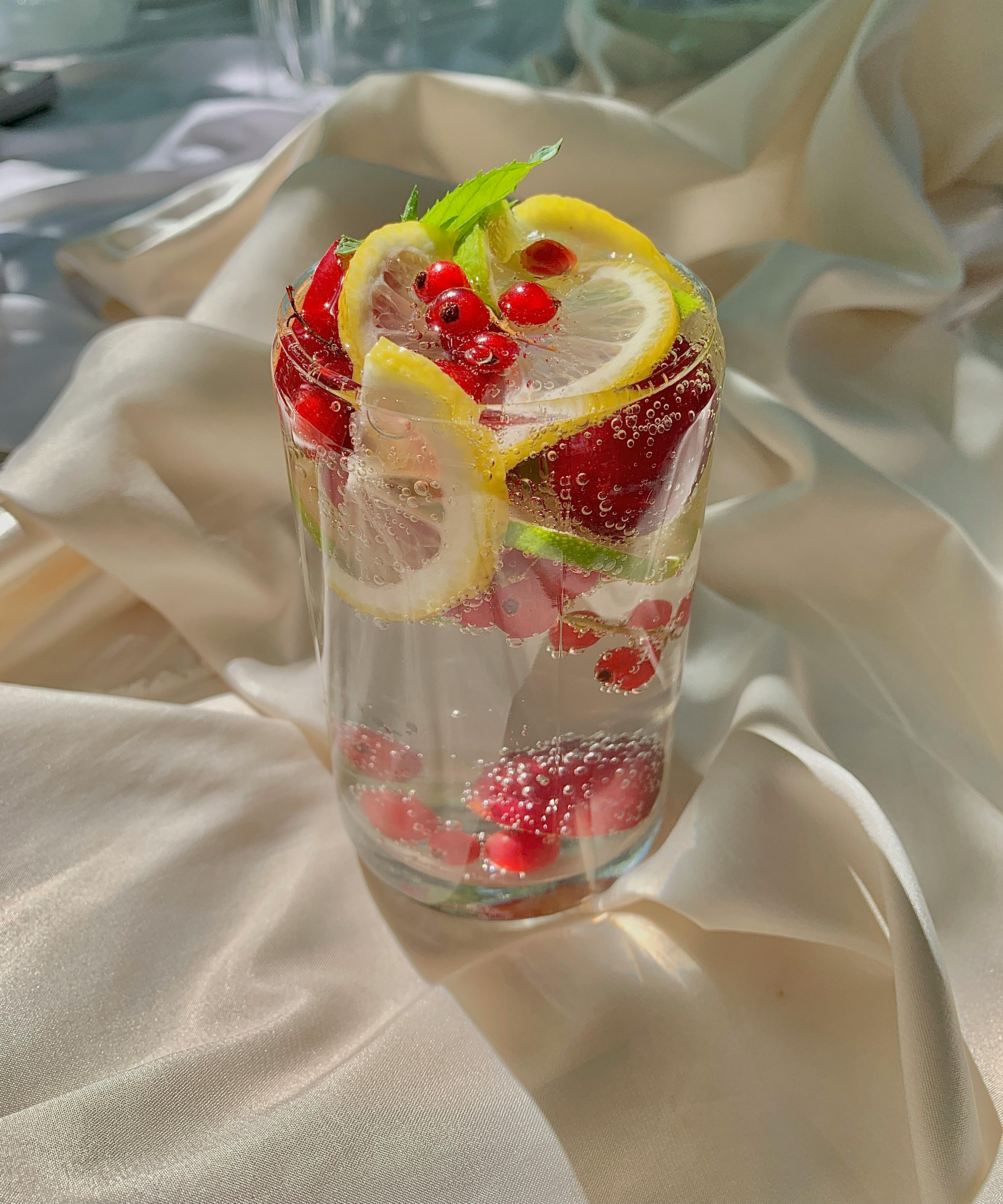
Can Drinking More Water Reduce Water Retention?
It may sound counterintuitive, but not drinking enough water can actually cause your body to hold onto water.
When the body senses dehydration, it goes into a protective mode. Instead of releasing fluids freely, it starts conserving water wherever it can. This often shows up as puffiness, bloating, or a general feeling of heaviness — especially around the abdomen, hands, and ankles.
Many people mistakenly reduce their water intake while dieting because they already feel “water logged” and worry that drinking more will make things worse. In reality, consistent hydration sends a safety signal to the body, letting it know that water is readily available. Once that signal is received, the body becomes far less likely to retain excess fluid.
As hydration levels stabilize, the kidneys are better able to regulate fluid balance, and excess water is released more naturally. For many people, this leads to a noticeable reduction in bloating and water weight within a relatively short period of time.
Rather than cutting back on water, the key is regular, steady intake throughout the day. This helps the body maintain balance, reduces unnecessary fluid retention, and supports a more comfortable, less swollen feeling overall.
Signs You May Not Be Drinking Enough Water
(Am I Dehydrated?)
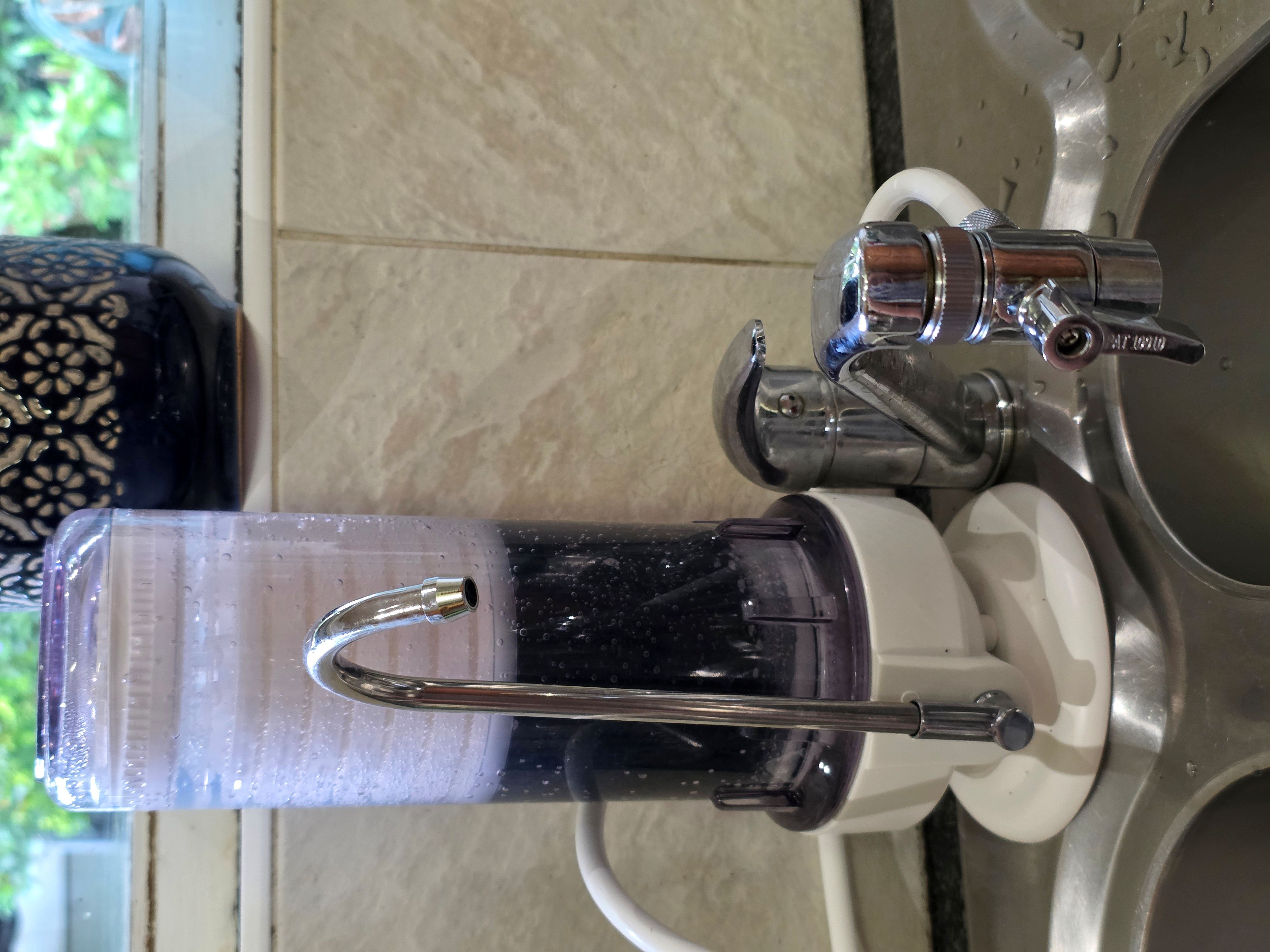
Feeling thirsty is the most obvious sign. Some experts suggest thirst means dehydration has already begun, while others believe listening to thirst cues is the body’s natural way of maintaining balance.
The brain is largely made up of water, and even mild dehydration can sometimes contribute to tension or dehydration-related headaches.
When fluid intake is low, the body redirects water to essential functions, often leaving less available for digestion. This can lead to harder stools and irregular bowel movements.
Well-hydrated urine is usually pale in color. Dark yellow urine can be a sign that your body needs more fluids.
Gently pinching the skin on the back of your hand can sometimes offer clues. If it doesn’t spring back quickly, it may indicate low hydration levels.
Dehydration can make you feel unusually tired or sluggish, even when you’re getting enough sleep.
How Much Water Do You Really Need?
You’ve probably heard the old guideline of eight glasses of water a day. While this can be a helpful starting point, it’s best seen as a general reference rather than a strict rule.
Water needs vary from person to person and depend on factors such as body size, activity level, climate, and overall health. In warmer environments or during physical activity, fluid requirements naturally increase as the body loses more water through perspiration.
A simple way to gauge hydration is to pay attention to your body. Pale-colored urine, steady energy levels, and minimal thirst throughout the day are often signs that you’re drinking enough. Rather than focusing on hitting an exact number, aim for regular water intake spread evenly across the day.
Drinking a glass of water upon waking, having water with meals, and sipping between meals can make hydration feel effortless rather than forced. Herbal teas and water-rich foods also contribute to daily fluid intake.
The goal isn’t perfection — it’s consistency. When your body receives water regularly, it’s better able to regulate appetite, digestion, and fluid balance naturally.
Simple Tips to Drink More Water
Let’s be honest — water isn’t the most exciting drink in the world. It doesn’t fizz, it doesn’t sparkle with flavor, and it certainly doesn’t try to impress you. But with a few small shifts, drinking more water can feel surprisingly easy.
-
Keep it cold and within reach
Cold water tends to be more refreshing and easier to drink. Keep a jug or bottle in the fridge at home and one on your desk or in your bag so water is always close by (and not something you have to go looking for). -
Make it taste better — naturally
A squeeze of lemon, lime, or a few slices of cucumber can make water far more appealing without adding sugar. If plain water feels boring, consider this your permission to dress it up a little. -
Start early and pace yourself
Trying to “catch up” on water late in the day usually ends with discomfort and lots of bathroom trips. Drinking a glass when you wake up, one with each meal, and a few sips in between spreads your intake comfortably across the day. -
Let routine do the work for you
Pair drinking water with habits you already have — after brushing your teeth, before meals, or when you sit down at your desk. When water becomes part of your routine, it stops feeling like a chore. -
Eat some of your water
Vegetables like cucumber, lettuce, celery, and broccoli are over 80–90% water and help with hydration while keeping calories low. Fruits also contribute, though if weight loss is your goal, enjoy them mindfully.
- If it’s the taste, fix the water — not your willpower
If your tap water smells or tastes unpleasant, it’s no surprise you’re not reaching for it. Many people find that filtered water is simply easier to drink, which naturally leads to better hydration without effort. - Remove temptation, temporarily
Taking soda, juice, or sugary drinks out of the house for a few days can reset your habits. When water is the easiest option, it often becomes the default.
Drinking more water doesn’t require discipline or perfection — just a bit of kindness toward yourself and a few practical tweaks that make the choice easier.
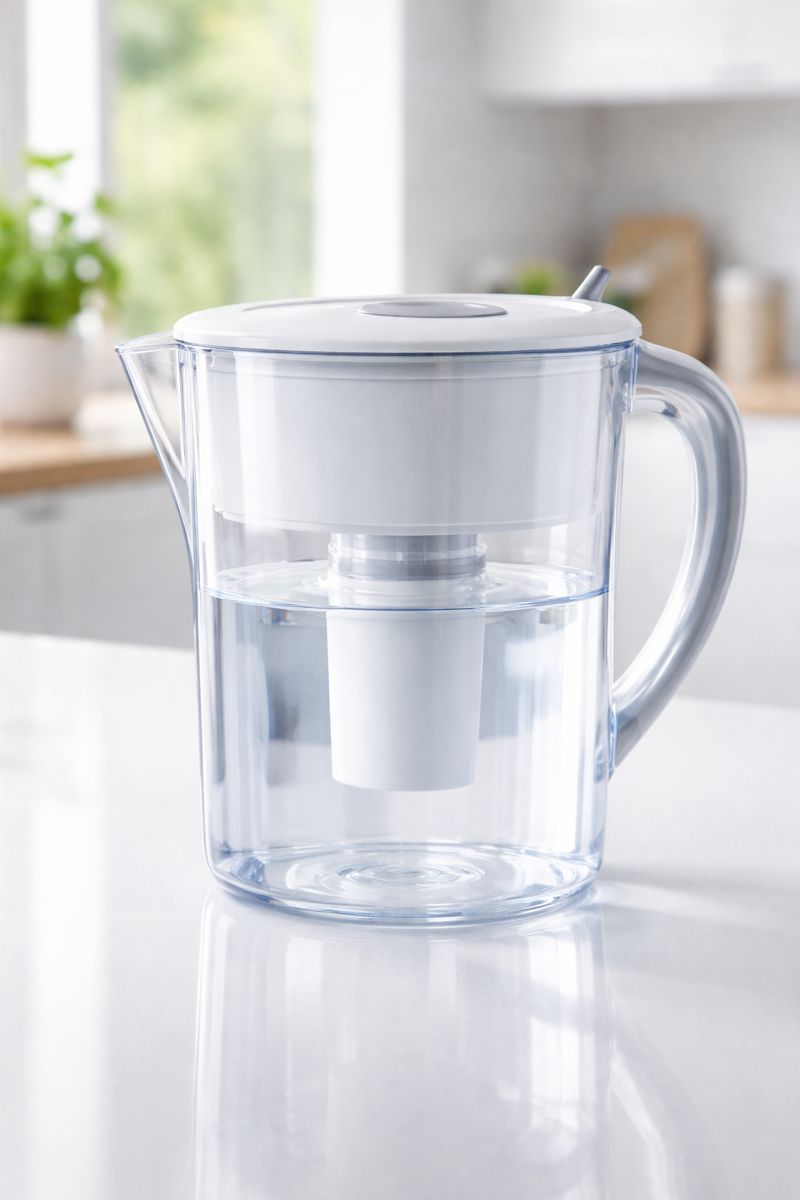
A Note On Water Filters
Water filters quietly do a lot of the behind-the-scenes work that most of us would rather not think about. At a basic level, they physically catch things like sediment and rust (the gritty bits you definitely don’t want floating in your glass), while materials such as activated carbon help mop up chlorine, unpleasant tastes, and odd smells.
💧 Make Water Easy to Reach
If your tap water tastes unpleasant, a basic water filter can make drinking water far more enjoyable — which often means you naturally drink more. 💧
More advanced systems take things a step further, using technologies like reverse osmosis or UV light to reduce bacteria, heavy metals, and other dissolved substances that can affect water quality. The end result? Water that looks clearer, smells fresher, and tastes better — which usually means you’re far more likely to actually drink it.
In short, filtering doesn’t just improve what’s in your water, it improves your relationship with it. And anything that makes choosing water easier is a win.
A Final Thought on Water and Weight Loss
Water for weight loss can sound almost too simple — and in a world full of complicated plans and bold promises, it’s easy to overlook something so ordinary.
I remember a time when I genuinely believed I was “drinking enough water,” only to realise that most days I was running on coffee, a few rushed sips between tasks, and good intentions. When I finally started keeping a glass of water nearby — nothing dramatic, no strict targets — something quietly shifted. I felt less bloated, less snacky, and oddly more patient with myself. No miracle, no overnight transformation… just a body that seemed a little more cooperative.
That’s really what water offers. It simply supports the systems already working hard inside you.
So if you’re curious about using water to support weight loss, start gently. Drink a little more than you did yesterday. Notice how your body responds. Let consistency, not pressure, do the heavy lifting.
And if nothing else, you’ll be better hydrated — which is never a bad thing. Sometimes the simplest habits really are the ones that last.
Question:- Can drinking more water really help with weight loss?
Question:- Can drinking more water really help with weight loss?
Answer:-
Drinking water doesn’t directly cause weight loss, but it can strongly support it. Staying well hydrated helps with appetite awareness, digestion, and overall metabolic efficiency. Many people find that when they drink enough water consistently, they snack less out of thirst and feel less bloated, which makes healthy choices easier to maintain.
Question:-
Is it better to drink water before meals to lose weight?
Question:-
Is it better to drink water before meals to lose weight?
Answer:- Drinking water before meals may help some people feel fuller and more satisfied, which can reduce overeating. It’s a simple habit that encourages mindful eating, though it’s not a guarantee of weight loss on its own. Paying attention to how your body responds is key.
Question:-
Does cold water burn more calories than warm water?
Question:-
Does cold water burn more calories than warm water?
Answer:- Cold water may cause the body to use a small amount of energy to warm it, but the effect is minimal. The temperature of your water matters far less than drinking enough of it regularly. The best water is simply the water you enjoy drinking and will reach for consistently.
Question:-
Is natural or filtered water a better choice for daily hydration?
Question:-
Is natural or filtered water a better choice for daily hydration?
Answer:- Many people find that filtered water tastes and smells better, which can make it easier to drink more throughout the day. Improved taste alone can be a helpful factor in staying consistently hydrated. See here for more details.
If you want tips on natural wellness, you can get them straight to your inbox.
Enter your email below and I’ll share new articles, reflections, and practical insights as they’re published.
Side Thoughts
Thanks for visiting here. If you'd like to stay in touch with our regular updates, then we'd love you to subscribe to our Detox-For-Life Newsletter.
We are a participant in the Amazon Services LLC Associates Program, an affiliate advertising program designed to provide a means for us to earn fees by linking to Amazon.com and affiliated sites.
NEWSLETTER
New pages, fresh perspectives, and practical detox-for-life insights are shared first with newsletter readers.
Recent Articles


-
Fennel Essential Oil: Aromatic and Soothing Oil with Health Benefits
Apr 14, 26 03:36 PM
 Fennel Essential Oil - Learn how this sweet, licorice-like oil supports digestion and everyday wellness.
 -
Beyond Curry: Turmeric Essential Oil - Benefits, Uses & Safety Guide
Mar 16, 26 07:19 AM
Explore Turmeric Essential Oil - Spice up your life with this golden oil. From adding a zesty kick to your morning smoothie to giving your skin a radiant glow -
Liver Cleanse Guide: Support Your Liver the Natural Way
Mar 03, 26 01:37 AM
 Discover how a gentle liver cleanse supports detox, digestion, metabolism, clear skin and steady energy using food, herbs and simple daily habits.


